
Criminal defense
Robbery and firearm charges
Norwalk Superior Court
Not-guilty verdict
Criminal defense
Voter fraud is a label, not a charge. What gets filed is a federal false-statement, registration, or unlawful-voting count, or a California Elections Code felony, and for a permanent resident the immigration consequence can outweigh the sentence. Call now to schedule a consultation.
 Patrick S. AguirreCriminal defense attorney · Long Beach & Downey offices, serving all of California4.7 out of 5 from 40+ Google reviews.
Callback request
Leave your contact information and, if helpful, a short general summary. The office will follow up.
The office received your contact request. If your matter is urgent, call 562-471-3512.
The charges
In October 2026, federal prosecutors in all four California districts charged 28 lawful permanent residents by criminal complaint with registering to vote or voting as noncitizens; 13 of the cases are in the Central District of California, which covers Long Beach and Downey. The charges in those cases are the ones this page is about. In the Central District, every defendant faces false statements in a naturalization application under 18 U.S.C. 1015(a), and some also face fraudulent voter registration under 52 U.S.C. 20511(2); both are felonies with a five-year maximum. Other districts charged false claims of citizenship to vote under 18 U.S.C. 1015(f), also five years, attempted procurement of naturalization under 18 U.S.C. 1425, ten years for a first or second offense, and the misdemeanor of voting by a noncitizen under 18 U.S.C. 611, one year.
The pattern the complaints describe is the same in nearly every case: a voter registration form that claimed U.S. citizenship, some of them filed as far back as 2002, then a naturalization application years later that answered no to whether the person had ever claimed citizenship, registered, or voted. Many of these cases were made by the naturalization application, not by a ballot. A maximum is a ceiling set by Congress, not a prediction; what a sentence looks like depends on the facts, the federal sentencing guidelines, and the person’s history.
Sources: 18 U.S.C. 1015(a) and (f) — false statements in naturalization matters; false claim of citizenship to register or vote; 52 U.S.C. 20511(2) — fraudulent registration or voting in a federal election; 18 U.S.C. 611 — voting by a noncitizen in a federal election; 18 U.S.C. 1425 — unlawful procurement of naturalization; 18 U.S.C. 911 — false claim of citizenship.
State charges
The same facts can be charged by the District Attorney under state law, usually after a referral from the Secretary of State or a county registrar. Elections Code 18100(a) covers willfully registering, or causing someone else to be registered, knowing the person is not entitled to it; Elections Code 18560(a) covers fraudulently voting without being entitled to vote; both are wobblers, chargeable as felonies carrying 16 months, two, or three years, or as misdemeanors carrying up to a year in county jail. Elections Code 18500, fraud in connection with a vote cast or attempted, is a straight felony with the same 16-month, two-, or three-year range.
The October 2026 cases are federal, and the federal government has said it intends to bring more. But a state filing carries the same immigration exposure as a federal one, and the defense is the same: the record of how the registration happened.
Sources: Elections Code 18100(a) — registering, or causing another to be registered, knowing of ineligibility; Elections Code 18560(a) — fraudulently voting without being entitled to vote; Elections Code 18500 — fraud in connection with a vote cast.
What must be proved
Nearly every one of these statutes turns on what the person knew. Section 1015 requires a knowing false statement, section 20511 a knowing and willful one, Elections Code 18100 registration with knowledge of ineligibility, and Elections Code 18560 a fraudulent vote. The government’s theory is that each person knew they were not a citizen and signed anyway. The record of how the registration happened is where that theory is tested.
Since 2018, California has registered eligible people automatically through DMV transactions unless they opt out, and within months of the launch the DMV acknowledged that about 1,500 people, including lawful residents who were not citizens, had been registered in error because its own staff changed eligibility answers on applications. Older registrations came from paper forms at DMV counters, voter drives at stores, campuses, and churches, and county forms, where a volunteer or clerk often filled in the form and the person signed it, and where the citizenship box could be pre-filled, misread, or badly translated. Who filled in the form, in what language, and what the agency’s own records show are the first facts a defense goes to find.
Two federal sections, 611 and 1015(f), also carry a narrow exception for a person whose natural or adoptive parents were citizens, who lived permanently in the United States before turning 16, and who reasonably believed they were a citizen. It is rare, and it does not apply to the naturalization-application charge, but for someone who grew up here in a citizen family it is the first question to ask.
Sources: 18 U.S.C. 611(c) — the exception for a person whose parents were citizens, who lived here before 16, and who reasonably believed they were a citizen; 18 U.S.C. 1015(f) — the same exception for the false-claim-to-vote offense.
Immigration
For a permanent resident, the criminal case is the smaller of the two problems. Federal immigration law makes a noncitizen deportable for voting in violation of any law and for falsely claiming citizenship for any purpose or benefit, including voting. The false-claim ground has no waiver for most people, it makes a person inadmissible on return from any trip abroad, and it blocks naturalization. The immigration statute carries its own version of the three-condition exception above, decided by immigration judges and USCIS rather than the criminal court.
Two things follow. A guilty plea that ends the criminal case quickly can be the very thing that triggers removal, so the plea has to be built with the immigration result in view from the start, with an immigration attorney at the table. And anything filed with USCIS while the case is open, a naturalization application, a green card renewal, a travel document, is a sworn statement that can become evidence; a pending naturalization application is already being read against the voter rolls. Nothing goes to USCIS until both lawyers have agreed on it. The firm defends the criminal case and does not handle immigration matters; ask about a referral in the first conversation.
The investigation
Contact from Homeland Security Investigations usually takes one of four forms: a letter asking you to come in for an interview, a phone call, agents at home or at work asking to talk, or an arrest on a warrant. Each one means the investigation is already under way, and the interview is where cases are made. A false or incomplete statement to a federal agent is its own crime under 18 U.S.C. 1001, even where the underlying conduct turns out not to be.
Sources: 18 U.S.C. 1001 — false statements to a federal agent, a separate offense.
The defense
The registration first. The DMV’s transaction records, the county registrar’s file, the original form and who completed it, the language it was in, and what the person was told at the counter or the table are subpoenaed and read against the government’s claim of knowledge. A registration that originated in a clerical error, a volunteer’s pen, or a mistranslated checkbox is a different case from one the person filled in alone.
Then the exception, where the facts support it, and the statements: what was said to agents, whether warnings were given, and whether anything was signed. Then the plea, if it comes to that, structured with immigration counsel so that the charge of conviction and the record of plea do not do more damage than the sentence.
Federal cases move differently from the Long Beach courthouse. After an arrest, the initial appearance is before a magistrate judge at the Roybal Federal Building in downtown Los Angeles, usually the same day or the next business day; release or detention is decided under the Bail Reform Act rather than a bail schedule, and immigration status is argued at that hearing. A complaint must be followed by an indictment within 30 days. The most can be done before any of that, in the window between the first letter and the charging decision.
The office
The office defends federal cases in the Central District of California, the district that covers Los Angeles, Orange, Riverside, San Bernardino, Ventura, Santa Barbara, and San Luis Obispo counties, and state cases in the Los Angeles County courts, from offices in Long Beach and Downey. Calls are answered day and night, in English and Spanish. Nothing on this page predicts an outcome.
Frequently asked questions
Do not go to the interview alone, and do not call the number on the letter yourself. A letter means the investigation is already under way, and the interview is where these cases are made. A lawyer can contact the agent for you, find out what is being alleged, and decide with you whether and how to respond. The same goes for a phone call or agents at the door: say you want a lawyer, and stop there.
Not before talking to a lawyer. How and when a registration is cancelled is itself a record, and after contact from a federal agency it reads as consciousness of guilt. Whether anyone has contacted you, whether you ever voted, and whether a naturalization application is pending all change the answer, and those are the first things to go over.
A conviction for unlawful voting or for a false claim of citizenship is a ground of deportability for a noncitizen, and the false-claim ground has no waiver for most people. The immigration law carries a narrow exception for a person whose parents were citizens, who lived here before 16, and who reasonably believed they were a citizen. Beyond that, the immigration result depends on which charge, which plea, and what is filed with USCIS while the case is open, which is why an immigration attorney is part of the defense from the start.
The federal charges used in the October 2026 cases, false statements in a naturalization application and fraudulent voter registration, are felonies with a five-year maximum; voting by a noncitizen under 18 U.S.C. 611 is a misdemeanor with a one-year maximum. Under state law, Elections Code 18100 and 18560 are wobblers, chargeable as felonies or misdemeanors, and Elections Code 18500 is a felony.
Selected case results
A selection from 55 documented results
Criminal defense
Norwalk Superior Court
Not-guilty verdict
Criminal defense
Riverside Superior Court
Not guilty on all charges after three years in custody
Criminal defense
Westminster Superior Court
Charge dismissed at trial
Client experiences
12 counts 2 felony charges DISMISSED … he got him out of jail FAST.
I just walked out of court a free man after getting my case dismissed.
From the beginning to the end, Patrick and his professional office staff kept us informed on any updates, concluding the case with a dismissal!
Best defense attorney in town. … He cares about his clients and takes every case seriously. The staff is friendly and caring.
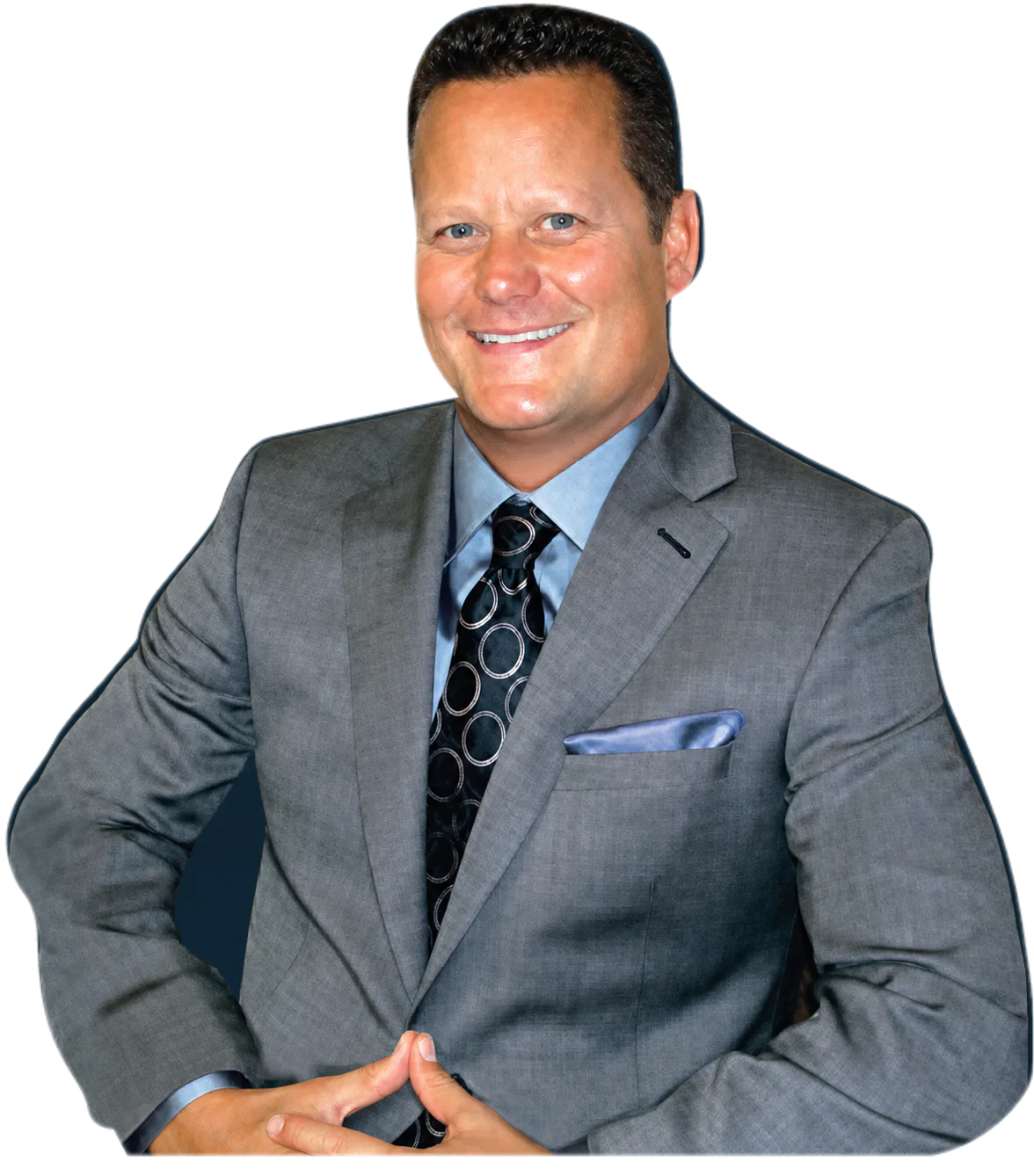

Meet your attorney
A Professional Law Corporation
The future of your case may depend on a successful outcome. It can be stressful to go through the legal process alone—but thankfully, you don’t have to.
The Law Offices of Patrick S. Aguirre will stand up for clients’ interests and rights, providing high-quality representation in personal injury cases and criminal defense matters throughout California from its Long Beach office.
We work with you and for your best interests. Our legal team is compassionate, hard-working, and tenacious—fighting to get the job done right when it matters most. No case is too complicated or insignificant for our full attention. Our clients may move forward into a brighter future free from worry about past mistakes.
We’re the legal team that never gives up. When you need an attorney who will fight for what’s right, turn to us, and we’ll do everything in our power to help. No matter how challenging your situation may seem, there is hope.
“Courage is the most important attribute of a lawyer.”
Robert F. Kennedy
Consultations by appointment
The earlier an attorney is involved, the more options you have. Call now or request a callback and the office will reach out.

Callback request
Leave your contact information and, if helpful, a short general summary. The office will follow up.
The office received your contact request. If your matter is urgent, call 562-471-3512.