
Do not give a recorded statement or an examination under oath alone
Your policy may require you to cooperate with the insurer. It does not require you to do so without counsel, and the two proceed very differently.
Criminal defense
An insurance investigation can begin before criminal charges, and an examination under oath can create evidence relevant to a later case. A request for that interview does not itself mean you face criminal charges, but it is a reason to get advice before answering. Call now to schedule a consultation.
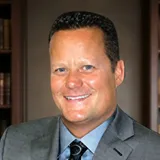 Patrick S. AguirreCriminal defense attorney · Long Beach & Downey offices, serving all of California4.7 out of 5 from 40+ Google reviews.
Callback request
Leave your contact information and, if helpful, a short general summary. The office will follow up.
The office received your contact request. If your matter is urgent, call 562-471-3512.
The charge
Penal Code 550 covers the conduct prosecutors call insurance fraud: presenting a claim for a loss you know is false or inflated, presenting more than one claim for the same loss, staging or participating in a staged vehicle collision, and making a false or misleading statement in support of a claim, or concealing a fact that would change it. Related sections reach setting fire to or destroying insured property, Penal Code 548, and soliciting, accepting, or referring business with knowledge or reckless disregard of intended insurance fraud under Penal Code 549.
The statute turns on knowledge and intent. A mistaken figure, an estimate that ran high, or a claim form filled out by a body shop or a clinic is not fraud unless you knew it was false and intended the insurer to rely on it. That element, not the paperwork, is where these cases are defended.
Sources: Penal Code 549, referrals involving intended fraud.
What is at stake
The penalty depends on the subsection charged. For 550(a)(1)–(5), the statutory term is two, three, or five years under 1170(h), with a fine up to $50,000 or double the fraud, whichever is greater. Penal Code 550(a)(1)–(5) offenses are felonies even when the claim is $950 or less. The $950 misdemeanor threshold applies to the health-care-benefit offenses in 550(a)(6)–(9), subject to aggregation over 12 consecutive months. At $950 or less, the specified health-care offenses carry up to six months in jail, a fine up to $1,000, or both. Above that threshold, they can carry a two-, three-, or five-year felony term or misdemeanor punishment of up to a year in jail, with fines specified in 550(c)(2). The false-statement offenses in 550(b) can also be charged either way under 550(c)(3). Restitution and additional penalties may apply. Workers’ compensation fraud under Insurance Code 1871.4 carries up to a year in county jail or two, three, or five years under 1170(h), and a fine up to $150,000 or double the fraud, whichever is greater.
The collateral consequences match the label. A fraud conviction is a crime of dishonesty that can jeopardize employment or licensing in health care, insurance, real estate, and finance, and for a non-citizen a fraud conviction with a loss over $10,000 is an aggravated felony with severe immigration consequences.
Sources: Penal Code 550(a)–(c) and Insurance Code 1871.4. Checked September 11, 2026.
The cases
The investigation
Insurers have special investigations units that flag claims and are required by law to refer suspected fraud to the California Department of Insurance. The Department’s Fraud Division investigates with sworn peace officers and refers cases to the Los Angeles County District Attorney’s insurance fraud prosecutors. Before any of that, the insurer will usually demand a recorded statement and then an examination under oath, a formal interview under penalty of perjury with the insurer’s lawyer, in which every inconsistency becomes evidence.
People cooperate with those interviews because refusing feels like admitting something. The result is a transcript that is the prosecution’s best exhibit. The time to have counsel is before the examination, not after the charges, because a case that is answered properly at the investigation stage is often a case that is never filed.
The defense
The first days
Your policy may require you to cooperate with the insurer. It does not require you to do so without counsel, and the two proceed very differently.
With the insurer, the adjuster, the clinic, the shop, and anyone else involved. Do not amend, withdraw, or explain the claim on your own.
The policy, the claim file, every message with the insurer, receipts, estimates, medical records, and who prepared each document.
Department of Insurance investigators are peace officers. A conversation with them is an interrogation, however friendly.
The office
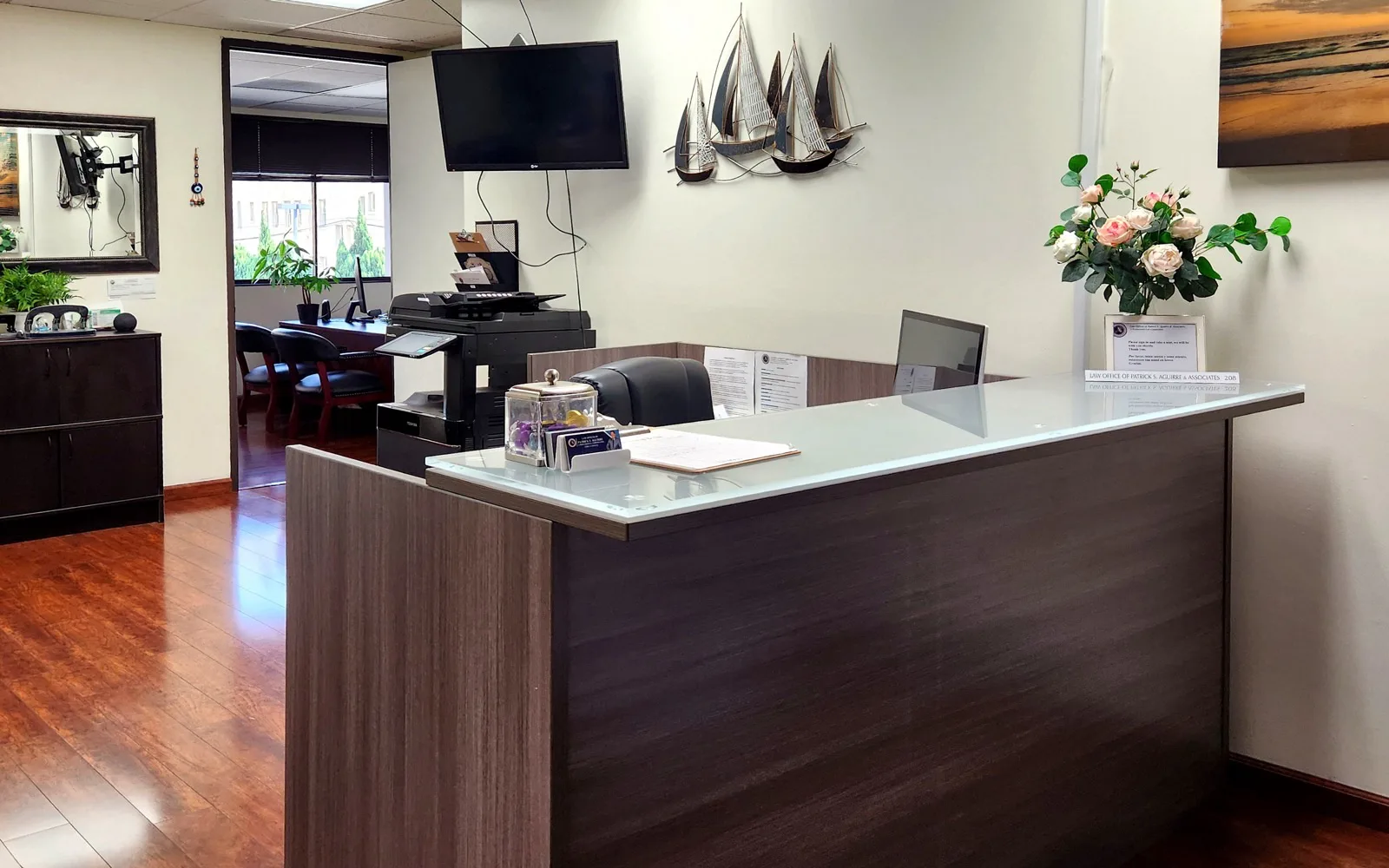
The office has defended people accused of crimes in Long Beach and across Los Angeles County for nearly three decades. The firm now has offices in Long Beach and Downey. Fraud cases are document cases, and the office reads the file the way the prosecutor will: who said what, when, on which form, and who prepared it. Where the office is engaged during the investigation, the goal is to answer the insurer and the Department in a way that closes the matter. Where charges are filed, the case is defended on knowledge, intent, and materiality, and resolved with the licensing and immigration consequences in view.
The office speaks Spanish.
Frequently asked questions
Most policies require cooperation, and refusing can be grounds to deny the claim. Nothing requires you to appear without a lawyer, and what you say is admissible in a criminal case. Get advice before the date, not after.
Fraud requires that you knew the statement was false and intended the insurer to rely on it. A form prepared by a shop, clinic, or agent, signed without knowledge of the false figure, is a defense that the evidence has to be organized to prove.
No. The charging subsection matters. A small claim is not automatically a misdemeanor: the $950 rule covers specified health-care-benefit offenses, not every insurance claim. See the penalty breakdown and statutory source above.
No. Insurers investigate and refer. The California Department of Insurance and the District Attorney decide whether to file charges. The insurer’s remedy is to deny the claim and, sometimes, to sue for what it paid.
Selected case results
A selection from 55 documented results
Criminal defense
Norwalk Superior Court
Not-guilty verdict
Criminal defense
Riverside Superior Court
Not guilty on all charges after three years in custody
Criminal defense
Westminster Superior Court
Charge dismissed at trial
Client experiences
12 counts 2 felony charges DISMISSED … he got him out of jail FAST.
I just walked out of court a free man after getting my case dismissed.
From the beginning to the end, Patrick and his professional office staff kept us informed on any updates, concluding the case with a dismissal!
Best defense attorney in town. … He cares about his clients and takes every case seriously. The staff is friendly and caring.


Meet your attorney
A Professional Law Corporation
The future of your case may depend on a successful outcome. It can be stressful to go through the legal process alone—but thankfully, you don’t have to.
The Law Offices of Patrick S. Aguirre will stand up for clients’ interests and rights, providing high-quality representation in personal injury cases and criminal defense matters throughout California from its Long Beach office.
We work with you and for your best interests. Our legal team is compassionate, hard-working, and tenacious—fighting to get the job done right when it matters most. No case is too complicated or insignificant for our full attention. Our clients may move forward into a brighter future free from worry about past mistakes.
We’re the legal team that never gives up. When you need an attorney who will fight for what’s right, turn to us, and we’ll do everything in our power to help. No matter how challenging your situation may seem, there is hope.
“Courage is the most important attribute of a lawyer.”
Robert F. Kennedy
Consultations by appointment
The earlier an attorney is involved, the more options you have. Call now or request a callback and the office will reach out.
Callback request
Leave your contact information and, if helpful, a short general summary. The office will follow up.
The office received your contact request. If your matter is urgent, call 562-471-3512.