$520,000 settlementPedestrian struck by a car; broken foot
Each result depended on the specific facts and law of that case. Results will differ when based on different facts. Past results do not guarantee or predict a similar outcome.
“Patrick and his staff were very helpful with taking care of all the bills and legalities, so we can focus on healing.”
★★★★★Jenna P.Google review
Reviews reflect individual experiences.
Callback request
Talk with our office
Leave your contact information and, if helpful, a short general summary. The office will follow up.
Thank you.
The office received your contact request. If your matter is urgent, call 562-471-3512.
California treats a death as two separate claims with different rules about who brings them and what each recovers. Getting that structure right at the start is most of what determines the outcome. The consultation is free.
Who can sue
The statute lists the people, in order
Code of Civil Procedure 377.60 sets out who may bring a wrongful death claim, and it is not simply “the family”. The first group is the surviving spouse, domestic partner, children, and the issue of deceased children. If there is no surviving issue, it passes to those who would be entitled to the decedent’s property by intestate succession, which can include parents and siblings.
The statute separately allows a claim by a putative spouse, the children of a putative spouse, stepchildren, parents, or a legal guardian where they were dependent on the decedent. Dependency has to be proved, and it is often the contested question in claims by parents of an adult child.
California requires all the heirs to be joined in a single action rather than each suing separately, so identifying everyone with standing at the outset matters practically as well as legally.
Wrongful death and survival are different, and recover different things
The wrongful death claim belongs to the heirs and compensates their own losses: financial support the decedent would have provided, the value of household services, funeral and burial expenses, and the loss of the decedent’s love, companionship, comfort, care, assistance, protection, affection, society and moral support. California does not allow the heirs to recover for their own grief or sorrow as such, which is a distinction that surprises families and is worth explaining early.
The survival claim belongs to the estate and carries the claim the decedent themselves had: their losses before death, including medical expenses and lost earnings, and punitive damages where the conduct would have supported them.
One point is current and easy to get wrong. Code of Civil Procedure 377.34(a) excludes pain, suffering, and disfigurement from survival damages. Subdivision (b) created an exception for actions filed on or after 1 January 2022 and before 1 January 2026. That window has closed, so a survival action filed now falls back under subdivision (a) and cannot recover the decedent’s pain and suffering. Any page or article describing that recovery as currently available is out of date.
The general deadline is two years from the date of death under Code of Civil Procedure 335.1, which is a different date from the date of the injury where someone survived for a period before dying.
Where the death involved medical negligence, Code of Civil Procedure 340.5 governs instead, with its one-year-from-discovery and three-year outer limits and its own 90-day notice requirement.
Where a public entity is involved — a city, a county, a transit agency, a public hospital, a school district, or a dangerous condition of public property — a written government claim must be presented within six months of the death under Government Code 911.2. Missing it generally ends the case before it starts. After the claim is rejected there are only six months to file suit under Government Code 945.6, which is shorter than the ordinary limitations period and is missed regularly.
Where the death was caused by medical negligence, Civil Code 3333.2 caps non-economic damages. For wrongful death the cap was $500,000 for cases in 2023 and rises by $50,000 each January until it reaches $1,000,000; for 2026 it is $650,000. Economic losses are not capped, which is why the financial analysis carries the case.
An uninsured driver’s death does not automatically bar the heirs from recovering for loss of companionship and support. In Horwich v. Superior Court, the California Supreme Court held that Civil Code 3333.4 did not bar wrongful death plaintiffs who were not themselves uninsured owners or operators of a vehicle involved in the accident, even though the deceased driver was uninsured. The heirs’ independent claim must be distinguished from the estate’s survival claim, and an heir’s own ownership or operation of the vehicle may matter. Comparative fault can reduce recovery in proportion to the decedent’s share of responsibility.
Vehicles are repaired or scrapped, commercial vehicle data is overwritten, surveillance footage is recycled within days, and scenes change. A preservation letter sent early is sometimes the difference between a provable case and an unprovable one.
02
Consider whether an autopsy is needed
Cause of death drives the case. Where the coroner does not perform one, or where the finding is likely to be contested, an independent autopsy is a decision with a short window.
03
Do not give a recorded statement
The other side’s insurer will call quickly and sympathetically. Nothing requires a grieving family to give a recorded statement to another party’s insurer, and those statements are used to build comparative fault arguments.
04
Check for a public entity
If a city vehicle, a bus, a public hospital, a school, or a road condition is involved, the six-month government claim clock is already running. This is the single most common way a valid claim is lost.
The office
How the Law Offices of Patrick S. Aguirre handles these cases
The office has represented injured people and their families in Long Beach and across Los Angeles County for nearly three decades. A death case is built on two tracks at once: proving responsibility, and documenting the loss through economic analysis of support and services alongside the testimony of the people who knew the decedent.
Identifying every heir with standing, structuring the wrongful death and survival claims properly, and protecting any government claim deadline are the early work. No result is promised here, and any estimate of value before the facts are developed is guesswork. The firm has offices in Long Beach and Downey and speaks Spanish.
Frequently asked questions
Common questions
Who is allowed to file a wrongful death claim in California?
Code of Civil Procedure 377.60 gives the claim first to the surviving spouse or domestic partner, children, and the issue of deceased children. If there is no surviving issue, it passes to those entitled to the decedent’s property by intestate succession. Putative spouses, stepchildren, parents, and legal guardians may also claim where they were dependent on the decedent. All heirs must be joined in one action.
Can we recover for the pain our family member suffered before dying?
Not in an action filed now. Code of Civil Procedure 377.34(a) excludes pain, suffering, and disfigurement from survival damages. An exception in subdivision (b) applied to actions filed on or after 1 January 2022 and before 1 January 2026, and that window has closed. The estate can still recover the decedent’s pre-death economic losses, and punitive damages where the conduct supports them.
How long do we have to file?
Generally two years from the date of death under Code of Civil Procedure 335.1. Medical negligence cases run under Code of Civil Procedure 340.5 instead. If a public entity is involved, a written government claim must be presented within six months under Government Code 911.2, and once it is rejected there are only six months to sue.
The insurance company has offered a settlement already. Should we take it?
An early offer is usually made before the full losses are known, and accepting it releases the claim permanently against everyone it names. Lifetime support and services analysis, the identity of every responsible party, and any available additional coverage generally are not established in the first weeks. Have the offer reviewed before signing anything.
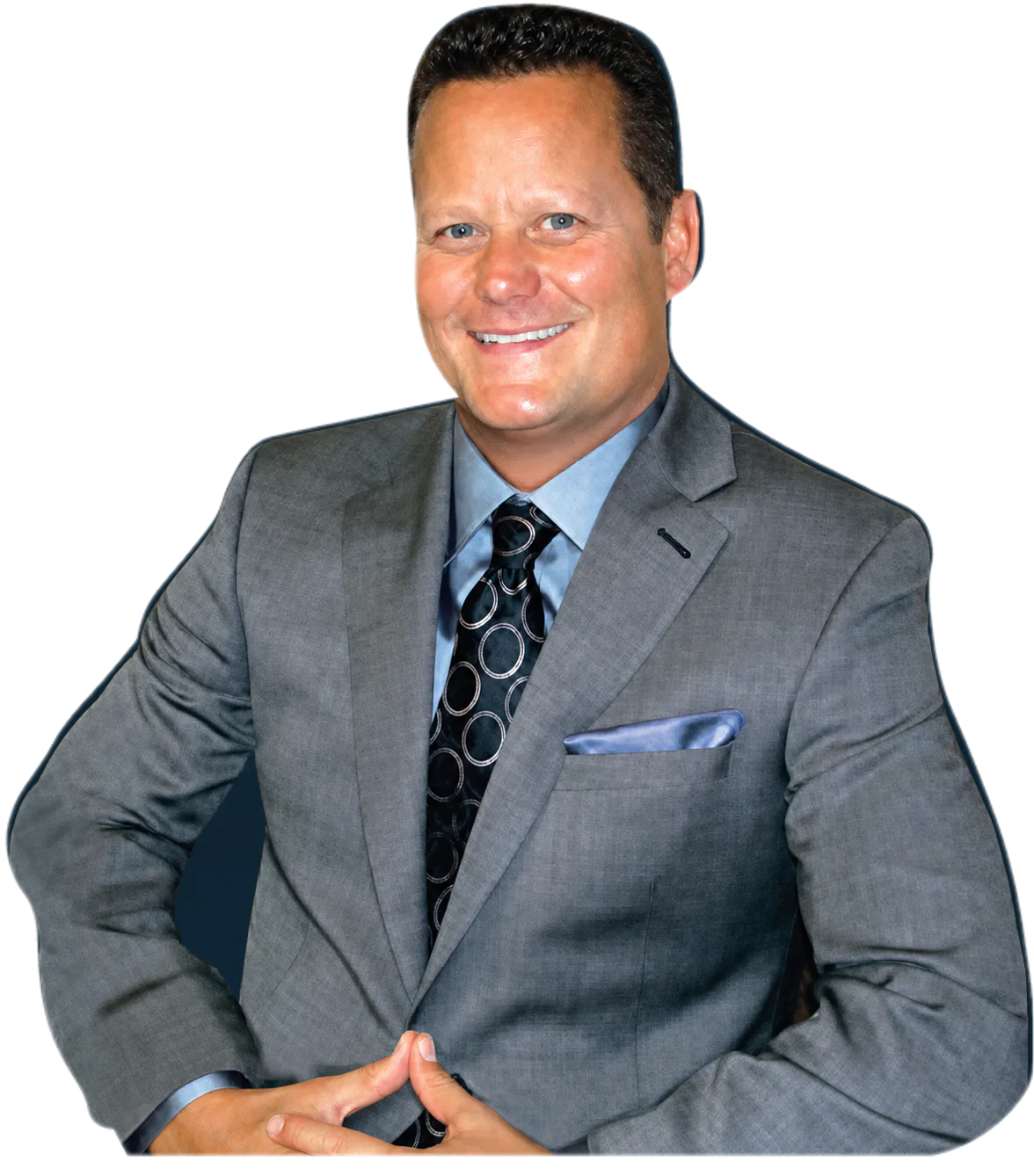
Patrick S. AguirreCriminal Defense & Personal Injury Attorney in Long Beach, California
Meet your attorney
Law Offices of Patrick S. Aguirre
A Professional Law Corporation
The future of your case may depend on a successful outcome. It can be stressful to go through the legal process alone—but thankfully, you don’t have to.
The Law Offices of Patrick S. Aguirre will stand up for clients’ interests and rights, providing high-quality representation in personal injury cases and criminal defense matters throughout California from its Long Beach office.
We work with you and for your best interests. Our legal team is compassionate, hard-working, and tenacious—fighting to get the job done right when it matters most. No case is too complicated or insignificant for our full attention. Our clients may move forward into a brighter future free from worry about past mistakes.
We’re the legal team that never gives up. When you need an attorney who will fight for what’s right, turn to us, and we’ll do everything in our power to help. No matter how challenging your situation may seem, there is hope.
“Courage is the most important attribute of a lawyer.”